Imagine you are asked to adapt a novel in a 'post'-modern style
 |
| A Google book search yielded some interesting results for post-modern texts which I could use. |
TV tropes idioms
Post-modern narrative structure
What changes when books are adapted in a post-modern style?
To many book enthusiasts, TV and film adaptions of a novel can very rarely be respectful and superior to the original source. In this post-modernist world we live in it is often expected that film adaptions will only be fragmented visions of what made the novel successful.
It is very important for my essay on 'The Shining' to use extensive examples of post-modernism. For this I have researched into the many different theories concerning this. It is important when constructing my essay to use the correct terminology and to get the theory right.
How has narrative structure changed after post-modernism?
- It is common now to have a multiplicity of characters
- Editing choices
- Montages
- Hybrid genres - a melting pot of different ideas. These can often been quite eclectic and varied in scope.
- Narrations are very popular in modern adaptions, this could considered a way of linking it back to the original text.
- Characters have become morally ambiguous. This has to do with the nature of people being much more self-aware nowadays. Everyone wants an analysis of the human condition which leads to characters being 'anti-heroes' which can be more relatable to audiences.
Arguably the structure of the narrative becomes fractured post-modernism because of the culture we live in. This is consumer led, multi cultural and much faster and convenience based. This could also allow a greater focus on ideas motivated for money rather than integrity. (Although this has always been the case.
What are TV tropes?
These are different ideas that have become expected by audiences. They are a way of communicating familiar subjects that audiences are familiar with.
An example of a post-modern trope available in modern adaptions is in the TV adaption of Daniel Defoe's, 'Moll Flanders'. It uses a display of thought such as breaking the fourth wall (looking at the camera) and self awareness. This is a very recent theme but in the 21st century people have become much more straight forward and want to see an understanding between the creators and audiences.
Does post-modernism allow for more experimentation? Has society become jaded through becoming more self aware?
Arguably it works both ways. Post-modern TV can often use themes associated with the "avant garde". This goes back to the previous modernist era. It is very, very popular for those with a particular vision to look back at the past and construct their own ideas in various ways.
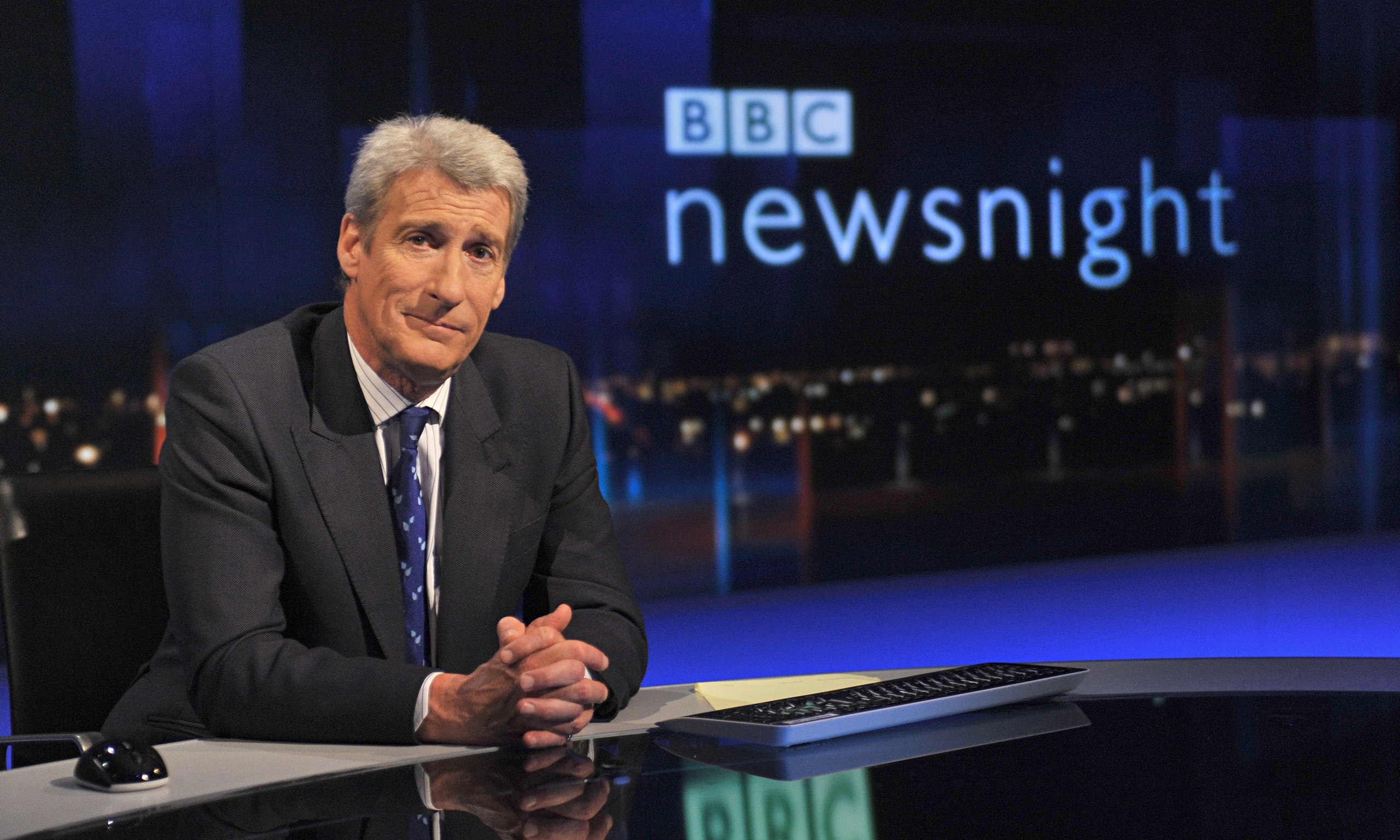 |
| Jeremy Paxman's style of presenting is an example of how the post-modernist world has become arguably more straight forward. |
Post-Modernism and creativity
- Pastiche, imitation, parody
- Producers want to take existing forms of media and re-construct them in their own way.
- The use of subject matters in recent adaptions that weren't explored years before (i.e mental illness)
Concepts such as 'Frankenstein' have evolved over time. Recent adaptions of a book such as Oscar Wilde's, 'Dorian Grey' are much more sexualised than they were previously. The passage of has allowed these old texts to be adapted in new ways which often link back to the past.
It is easy to point out that post-modern themes such as sex and violence were not so prevalent as recently as fifty years ago. It is arguable that only since the cultural boom of the 1960's as well as the avant garde phenomenon that these have become such common themes of a post-modernist entertainment world.

No comments:
Post a Comment