Today we presented our work research to our class and Unit lecturer. We talked about how our project development was going as well as ideas for filming the Student Nightclub idea.
Unfortunately the feedback we received wasn't as positive as we were hoping for. Our course lecturer felt that our Nightclub story didn't have enough of a story basis to go on and suggested expanding the budget/money saving idea to a day rather than at a nightclub as we originally focused on.
We were then told that the idea wasn't strong enough to focus on and that we should work on another story alongside it, this led to us reviving our SnapChat 'selfie' idea. For this we have already done the research and we could get the reporter involved and talk about the hype and controversy behind the brand. We could also make it interactive by finding a SnapChat addict to take the perfect 'selfie'. This may involve the Live report.
Looking back the reception we received was understandable, our student Nightclub idea seemed too focused on drinking and the Nightclub scene which could have a negative impact on the channel.
To counterpoint this, we could still focus on the budget idea but take the focus away from the drinking culture aspect. This could include days out, i.e visiting the cinema or cheapest takeaways. The segments main target of 'saving for students' is much clearer in this alternative.
On the upside, it seems that the class liked our style/tone for the target demographic and I agree that this is so far the clearest concept about our project.
The other thing we need to develop is the website and so far that is under construction and is currently being worked on by Kate. Further updates on this will be given later on.
Stay tuned.
Friday, 31 October 2014

Wednesday, 29 October 2014
Digital News Production: Live Report Questions
In my group (consisting of Kate, Sam B. and myself) we have been researching and developing our student idea further for the channel.
I have written out some questions for a short live report we will do during the Student Nights piece.
Setting: Outside a club i.e Mojo's Nightclub.
These questions are written out for our News anchor to ask during the piece:
1. How's your night out been so far?
2. Whats the drink you would most recommend?
I have written out some questions for a short live report we will do during the Student Nights piece.
Live Report:
These questions are written out for our News anchor to ask during the piece:
So we're joined here tonight by..... (name of student)
1. How's your night out been so far?
2. Whats the drink you would most recommend?
3. What do you think of... (the club)
4. How does it compare to other local nightclubs?
Thank you for that insightful look, now we're gonna cut back to the studio....
END
 |
| Mojo's Nightclub is a possible choice for our project. |
Monday, 27 October 2014
Fiction Adaptation: Script Draft
Here is the first draft of my short film adaption of "Anthem for a Doomed Youth". Stay tuned for further updates...
Sunday, 26 October 2014
Digital News Production: News Anchor Update
At the moment my group are currently seeking out applicants to apply for the role of News Anchor.
We managed to find an applicant through the Casting Call Pro website. We were also lucky enough to find a suitable candidate through Kate, she is acquainted with a Capital FM presenter named Ryan Hunter.
Here is some info on some of the possible applicants we have lined up for this role:
As soon as we saw some of Ryan's video's on YouTube, we knew right away he seemed like a good choice. He's a young DJ who fits in well with our age demographic. He describes himself on his own website as a "fresh and overly excited" presenter. When we watched his showreel on YouTube I noticed two things straight away. These were that he is very energetic and also that he's had quite a bit of experience in radio already. In general it seems like he has a tone and style that will fit in comfortably with our audience.
The biggest downside to picking him would be that as he has a job on Capitol Radio he is a fairly busy guy. This means that he might be very reliable when it comes to filming days. We will still be in contact with him despite this because he seems like a very good choice if he's available.
(www.youtube.com/RyanDHunter)
We were able to find an applicant through Casting Call Pro who was interested in our project. His name is Abdoulie Touray. On his page he only had one one video which was available to watch called "Yamaha Piano Key Shuffle". Unfortunately it was hard to determine what his acting skills are like as the video featured multiple actors and he wasn't present for very long at a time.
He sent Sam B. A video of him reading a news based story as a demo piece. Unfortunately he wasn't as enthusiastic as we had all hoped for although he managed to deliver the lines with perfect clarity and skill. His tone could be worked on however and the upside is that he is easily available.

We managed to find an applicant through the Casting Call Pro website. We were also lucky enough to find a suitable candidate through Kate, she is acquainted with a Capital FM presenter named Ryan Hunter.
Here is some info on some of the possible applicants we have lined up for this role:
Ryan Hunter
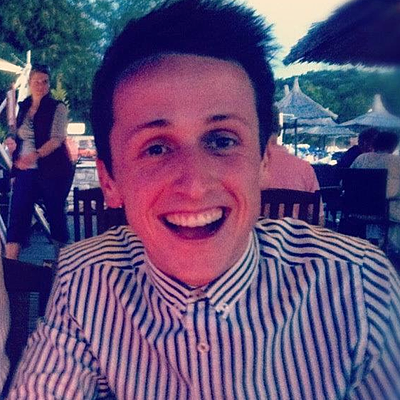 |
| Ryan Hunter |
The biggest downside to picking him would be that as he has a job on Capitol Radio he is a fairly busy guy. This means that he might be very reliable when it comes to filming days. We will still be in contact with him despite this because he seems like a very good choice if he's available.
(www.youtube.com/RyanDHunter)
 |
| Abdoulie Touray, aged 25. |
Abdoulie Touray
He sent Sam B. A video of him reading a news based story as a demo piece. Unfortunately he wasn't as enthusiastic as we had all hoped for although he managed to deliver the lines with perfect clarity and skill. His tone could be worked on however and the upside is that he is easily available.
Here is a link to his profile page:
http://www.total-talent.com/uk/view.php?uid=576726&job_uid=245122&filter=&presenter=0
Hannah Eckersley
 |
| Hannah Eckersley, aged 21 |
Our newest applicant is called Hannah. She is our first female applicant and is also someone that has just graduated. This means it will be easier for her to personally relate to the type of student based ideas we are using.
She has just finished a course studying Drama at Uni which means she will be more likely to be amicable at the presenting job. We have asked her to reply back with a short video piece of her reading a News Story. If we like this enough we will ask him for an interview as we have done with Abdoulie.
She has just finished a course studying Drama at Uni which means she will be more likely to be amicable at the presenting job. We have asked her to reply back with a short video piece of her reading a News Story. If we like this enough we will ask him for an interview as we have done with Abdoulie.
Friday, 24 October 2014
Fiction Adaptation: What is my story? (Rough Outline)
To help me with the script that I have to write I have came up with a rough outline of notes I have prepared:
Thursday, 23 October 2014
Fiction Adaptation: Research into Post-Modernism
To help us prepare for our upcoming essays we were asked to research into post-modernism.
Imagine you are asked to adapt a novel in a 'post'-modern style
Research tips: post-modern TV + Film
TV tropes idioms
Post-modern narrative structure
What changes when books are adapted in a post-modern style?
To many book enthusiasts, TV and film adaptions of a novel can very rarely be respectful and superior to the original source. In this post-modernist world we live in it is often expected that film adaptions will only be fragmented visions of what made the novel successful.
It is very important for my essay on 'The Shining' to use extensive examples of post-modernism. For this I have researched into the many different theories concerning this. It is important when constructing my essay to use the correct terminology and to get the theory right.
How has narrative structure changed after post-modernism?
- It is common now to have a multiplicity of characters
- Editing choices
- Montages
- Hybrid genres - a melting pot of different ideas. These can often been quite eclectic and varied in scope.
- Narrations are very popular in modern adaptions, this could considered a way of linking it back to the original text.
- Characters have become morally ambiguous. This has to do with the nature of people being much more self-aware nowadays. Everyone wants an analysis of the human condition which leads to characters being 'anti-heroes' which can be more relatable to audiences.
Arguably the structure of the narrative becomes fractured post-modernism because of the culture we live in. This is consumer led, multi cultural and much faster and convenience based. This could also allow a greater focus on ideas motivated for money rather than integrity. (Although this has always been the case.
What are TV tropes?
These are different ideas that have become expected by audiences. They are a way of communicating familiar subjects that audiences are familiar with.
An example of a post-modern trope available in modern adaptions is in the TV adaption of Daniel Defoe's, 'Moll Flanders'. It uses a display of thought such as breaking the fourth wall (looking at the camera) and self awareness. This is a very recent theme but in the 21st century people have become much more straight forward and want to see an understanding between the creators and audiences.
Does post-modernism allow for more experimentation? Has society become jaded through becoming more self aware?
Arguably it works both ways. Post-modern TV can often use themes associated with the "avant garde". This goes back to the previous modernist era. It is very, very popular for those with a particular vision to look back at the past and construct their own ideas in various ways.
Many could say that people have gotten more cynical post-modernism which allows people to satirise the past in ways that would previously be thought of as immoral. An example is how in the past news presenters were told to be polite to guest interviewers (i.e politicians) whereas now interviewers such as Jeremy Paxman have become much more aggressive and straight forward. It is this type of no nonsense thinking that arguably allows some TV/Film adaptions to be made freed of all sentiment and nostalgia.
Post-Modernism and creativity
- Pastiche, imitation, parody
- Producers want to take existing forms of media and re-construct them in their own way.
- The use of subject matters in recent adaptions that weren't explored years before (i.e mental illness)
Concepts such as 'Frankenstein' have evolved over time. Recent adaptions of a book such as Oscar Wilde's, 'Dorian Grey' are much more sexualised than they were previously. The passage of has allowed these old texts to be adapted in new ways which often link back to the past.
It is easy to point out that post-modern themes such as sex and violence were not so prevalent as recently as fifty years ago. It is arguable that only since the cultural boom of the 1960's as well as the avant garde phenomenon that these have become such common themes of a post-modernist entertainment world.
Imagine you are asked to adapt a novel in a 'post'-modern style
 |
| A Google book search yielded some interesting results for post-modern texts which I could use. |
TV tropes idioms
Post-modern narrative structure
What changes when books are adapted in a post-modern style?
To many book enthusiasts, TV and film adaptions of a novel can very rarely be respectful and superior to the original source. In this post-modernist world we live in it is often expected that film adaptions will only be fragmented visions of what made the novel successful.
It is very important for my essay on 'The Shining' to use extensive examples of post-modernism. For this I have researched into the many different theories concerning this. It is important when constructing my essay to use the correct terminology and to get the theory right.
How has narrative structure changed after post-modernism?
- It is common now to have a multiplicity of characters
- Editing choices
- Montages
- Hybrid genres - a melting pot of different ideas. These can often been quite eclectic and varied in scope.
- Narrations are very popular in modern adaptions, this could considered a way of linking it back to the original text.
- Characters have become morally ambiguous. This has to do with the nature of people being much more self-aware nowadays. Everyone wants an analysis of the human condition which leads to characters being 'anti-heroes' which can be more relatable to audiences.
Arguably the structure of the narrative becomes fractured post-modernism because of the culture we live in. This is consumer led, multi cultural and much faster and convenience based. This could also allow a greater focus on ideas motivated for money rather than integrity. (Although this has always been the case.
What are TV tropes?
These are different ideas that have become expected by audiences. They are a way of communicating familiar subjects that audiences are familiar with.
An example of a post-modern trope available in modern adaptions is in the TV adaption of Daniel Defoe's, 'Moll Flanders'. It uses a display of thought such as breaking the fourth wall (looking at the camera) and self awareness. This is a very recent theme but in the 21st century people have become much more straight forward and want to see an understanding between the creators and audiences.
Does post-modernism allow for more experimentation? Has society become jaded through becoming more self aware?
Arguably it works both ways. Post-modern TV can often use themes associated with the "avant garde". This goes back to the previous modernist era. It is very, very popular for those with a particular vision to look back at the past and construct their own ideas in various ways.
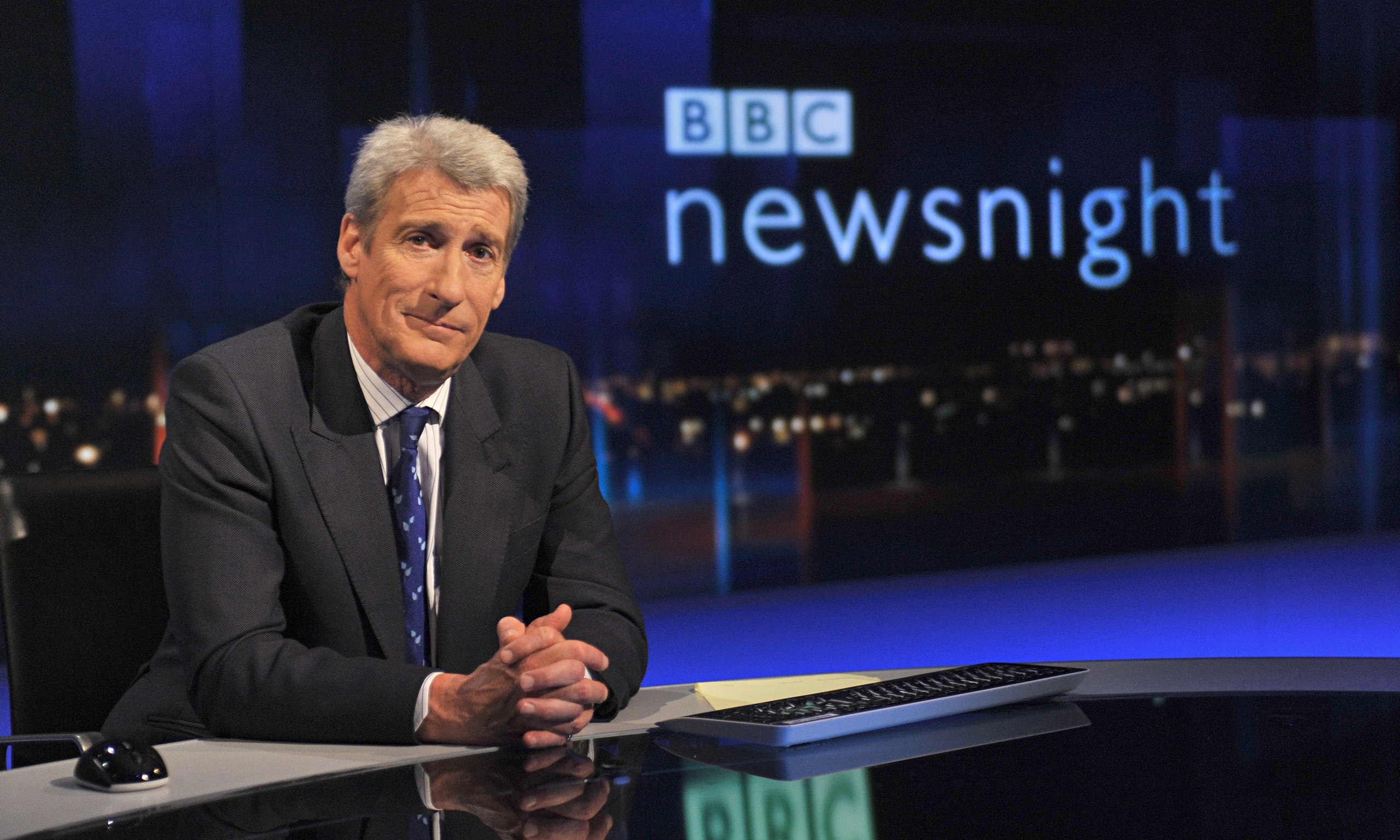 |
| Jeremy Paxman's style of presenting is an example of how the post-modernist world has become arguably more straight forward. |
Post-Modernism and creativity
- Pastiche, imitation, parody
- Producers want to take existing forms of media and re-construct them in their own way.
- The use of subject matters in recent adaptions that weren't explored years before (i.e mental illness)
Concepts such as 'Frankenstein' have evolved over time. Recent adaptions of a book such as Oscar Wilde's, 'Dorian Grey' are much more sexualised than they were previously. The passage of has allowed these old texts to be adapted in new ways which often link back to the past.
It is easy to point out that post-modern themes such as sex and violence were not so prevalent as recently as fifty years ago. It is arguable that only since the cultural boom of the 1960's as well as the avant garde phenomenon that these have become such common themes of a post-modernist entertainment world.
Wednesday, 22 October 2014
Digital News Production: Style & Location for Filming
TONE/STYLE/LOCATIONS
The Tone of the News channel:
- Clear but concise
- Lighthearted but informative
- Anarchic
Where are we filming: We are using the Maidstone studios to film in and it will be given a very specific setting. This is to make it look like a typical students bedroom.
 |
| A stereotypical room of a student. |
- Dirty clothes on floor
- Drink bottles lying around
- Trash bags on the floor
- Boxes filled with possessions
Why have we chosen this setting?
The reason we've chose this is so that students can relate directly to our program since the typical student tropes we use will relate them to an environment that they're used too. It also allows us to break typical conventions such as the type of stereotypical news rooms you see on the BBC or ITV.
More than anything it gives us a chance to show our identity which is "for students, by students." This allows us to be anarchic and give off an easily relatable attitude for younger audiences. The contrast between our setting which is quite informal compared to other News room studios instantly gives us a look which is recognisable and unique. It allows our audience the chance to feel comfortable with the setting. For the background we could have a background screen that looks intentionally 'tacky' to show that we're self aware. Perhaps we could have the news brands name appear on a white background. (We still need to come up with a title for our brand.)
 |
| The classic comedy, 'The Young Ones' represents a humorous anarchic, student lifestyle. |
The biggest task to overcome as that we still want to show that we are serious about the news we're reporting regardless of our lighthearted tone. We need to have a line that separates the channel from being seen as a joke. This means that we still need to be serious enough that students won't just view it as a purely humorist news channel.
For the idea to work we need to show that the actions we make in terms of style and setting are seen as deliberate. We need to make a distinction between it being a room belonging to students and just a normal messy room. This can be done by including a laptop, books, scribbled notes etc. The muse-en-scene should also not be too complicated for our audiences. This could hinder the audiences attention away from the news story we are telling. The simplified props we do use should be quite effective though.
We will continue to develop this idea further as it comes closer to fruition. Stay tuned for further updates.
Digital News Production: The "Student Night Club" Story (Researching Ideas)
The "Student Night Club" Story
My group and I set up a long meeting to develop our plans for the News project we're working on. (Previous post on 'selfie' story)
For our second story we decided to pick the student night club idea. We decided that although the idea is quite premature it would be good to gain permission from possible night clubs to film in that cater towards students.
Each of us decided we needed to email different places, Kate and Sam B. emailed Source Bar and Mojo's Nightclub whereas I emailed Wonderland Nightclub in Maidstone.

 |
| I sent a message to the popular student night club, "Wonderland" to add to our list of possible filming locations. |
These are the messages Kate and Sam B. messaged to their respective night clubs on Facebook:
Source Bar
I'm currently studying in my 2nd year at UCA (based in Maidstone Studios) I often go to Source Bar and have gone to many of it's student nights even when it was previously Twisted.For a recent project at uni we are doing a news report on the best students nights in Kent, with your permission we would like to film possibly half an hour of footage and be in the club approx an hour overall. The other clubs we are hoping to be involve include Tap 'n' Tin in Chatham, Mojo's in Rochester and possibly Wonderland.
Mojos Nightclub
Hey Liam,I'm currently at my second year at UCA studying television production, and one of the projects i have to do is a news report project. We are focusing our news channel on students and are aiming to do a news report showing the best student nights around Medway/Kent. I was wondering whether we could get an interview from you as well as having permission to film in the club for a short time? We were interested in interviewing you about the whole Frat Friday idea or even filming for one of your Halloween nights, we haven't quite decided yet. But let me know if you would be interested about this and we can give you more information, would help me and my group for our uni project and would help to promote Mojos as well! Let me know what you think. Many thanks, Sam
We decided that since our target audience caters mainly towards students, (many of who live a clubbing lifestyle) it would be beneficial to make an interesting story largely for entertainment purposes. We want to make something that they will be able to relate to and perhaps gain some insight into it.
For these reasons we will make it quite lighthearted and comical. Importantly it will also give them some useful tips they can learn from, this will help to bring us a closer connection towards our audience. As well as also being factual.
We talked about possible story ideas to focus on that seemed relevant, essentially the kind of things that we would relate to as students. We want it to have a point of conflict that is an obstacle our audiences need to overcome. A simple example of this is money. We could focus on how most students don't have much money so they often have to spend cheaply to make the most of a night out. This is easily relatable to our audiences and relevant like the previous 'selfie' story.
We came up with 3 ideas we could focus on:
- The five people you always meet on a night out: For this idea I thought about list articles such as you see on Buzzfeed as well as viral videos by 'CollegeHumor'. The latter is the type of audience that will be watching our channel. They're funny but most of all, relatable. Everyone of a certain age has seen the type of stereotypes at night clubs such as: the drunk person, the party goer, the lightweight, the shy guy, etc.
We could film some students who fit into some perceived stereotypes on a night out and base the story around this humorous concept.
Poking fun at these stereotypes is easily relatable to our audience.
- Surviving a night out on a small budget.
The majority of students that want to go out and experience the nightlife will inevitably not have much money to spend with. This is a really problem for some students, making this choice quite relevant towards them as well as adding some drama into the proceedings.
 |
| A typical student is always looking at ways to save money. |
- The best ways to survive a hangover
This story is basically very relatable to every type of person but particularly young people who perhaps have yet to get to grips with recovering easily. We could give research into some useful tips to help people decide what are the best "cures" available such as through food and drinks which are less likely to make you feel ill in the morning.
We could test this out by finding a group of students and filming them before and after a night out. Then we can see how they've recovered in the morning. This could be potentially quite difficult to film though, especially since this largely depends on actuality filming.
At the end of the day our channels main focus is to be entertaining as well as informative towards our target audience. (aged 16-24)
Tuesday, 21 October 2014
Digital News Production: The Snapchat 'Selfie' Story (Research & Development)
The Snapchat 'Selfie' Story
Following on from my last post on the 'selfie' story we have since has a long group discussion with our group (Kate, Sam B and myself) and we have tried to decide how we want to use the story idea.
We looked into how they can be perceived and the different ways it can be interpreted.
 |
| 'Selfies' are one of the most prominent features of the Snapchat application. |
What is the aim for the selfie idea? How can we make it a story?
The biggest problem I have had with my selfie story is trying to come up with a definite aim behind the idea.
This is why we have decided to compare and contrast between people who love selfies and those who hate them. This is a good aim for us to research into.
We want to feature controversy in our story (as i've mentioned below) to give our audience an idea of the film packages objective.
Arguments for "selfies":
- They give you a chance to talk directly to someone without being in the same room
- It gives those with low confidence about their looks a way of choosing how they appear to others.
- It gives people a way of socialising
- It lets people have a chance to be creative with the different tools available to edit them.
Arguments against "selfies":
-Anyone can take screenshot or copy a selfie to poke fun at the person. This could lead to some examples of bullying.
-Many could argue that this will make people focus less on their work and reading.
-People can also find it annoying/rude when others are seemingly taking selfies all the time.
We can talk about how it maybe encourages people to spend less time educating themselves and spend their lives wrapped up in the social world.
http://www.edudemic.com/selfie-infographic/-
Controversy
We also looked at a lot of the controversy behind it such as the #aftersexselfie hashtag on Twitter. This trended on Twitter and inspired its own Facebook page as well as making News.
We found some sensationalist articles based on this story such as a Daily Mail article:
http://www.dailymail.co.uk/femail/article-2593943/aftersex-selfie-trend-goes-viral-Instagram.html
This consists of people taking selfies with people in the aftermath of a night out.
Further controversy was found when celebrities snapchats were leaked by hackers who discovered nude photos of celebrities.
Important running themes/factors in our 'Selfie' package:
- Narcissism is very dominant in showing why people take selfies.
- self confidence
- invasions of privacy
- pressure to be popular
- immediacy (making a memory last)
-Give a clear definition of what a selfie is and show who are the people behind them.
-showing, not telling!
We will also decide on a stunt/gimmick using the presenter/reporter to tell a story.
-Have the reporter get involved with an event
 |
| A GoPro Hero3 Camera could be ideal for shooting. |
- I think it might be a good idea to have a 'selfie' "expert" on hand to show how to take the best selfies. This is a good way of trying to involve the audience.
Who do we interview?
We should have a large variety of different people such as students, parents, teachers and even people's pets to show a wide, amusing variety of people taking selfies.
Show what snap chats are and why they are popular, then show how it incorporates 'selfies' into it. We can link this back to some statistics of the revenue that Snapchat receives.
-Start off in the Studio with the News anchor.
-The package begins with an INTRO showing a definition of a selfie
-graphics (vot): Showing trends on snapchat such as self made artwork #aftersexselfies
-vox box (people who love snap chat vs people against it)
- reporter: END

 |
| Our group has been trying to spread the word on 'selfie' stories for further development. |
Monday, 20 October 2014
Digital News Production: Digital News Schedule
Using the template from Sam Babington's time-table for his own assignments I decided to make my own schedule for the Digital News assignment.
I will also make a separate schedule for my Fictional Adaption + Essay
I will also make a separate schedule for my Fictional Adaption + Essay
Friday, 17 October 2014
Fiction Adaptation: Theory Essay Changes
After having a one to one tutorial with my course leader, I have decided to change the focus of my essay analysing a fiction adaptation of The Shining. As I mentioned before I decided I wanted to talk about the 1980 Stanley Kubrick film version of Stephen King's 1977 novel. I have since realised that my essay should be mainly focused on the TV adaption because this is a Television Production based essay.
I will still use examples from the film version, however I will now be focusing on the TV version predominantly. It still links back to the book adaption and I can talk about what the films influence might have been on that version.
Something I noticed immediately when I researched into the book version was that it came out 17 years after the original version. How has this film been influenced by the 1980 film as opposed to the original novel? I thought this was a quite interesting question in itself but I also noticed when I clicked on the TV versions IMDB page that it had a low rating of 6.1. This shows that it has been generally poorly received by the public.

I'm now curious as to why this has been so badly received, I will investigate once I watch the TV mini-series and re-read through the book. I can also compare and contrast this with fans of the original book. How has it been received by those that have and haven't read the original Stephen King novel?
I noticed when I was researching for the mini-series that it was actually commissioned by Stephen King himself to correct the "mistakes" that he felt were apparent in the film version. What is interesting about this is that the TV version has a lower rating. So even though the original author made his own version because he thought the film was unfaithful it was still received poorly by fans and critics. Why is the supposedly more faithful adaption considered worse than Kubrick's looser adaption?
Its important to mention how the Kubrick film version came out 17 years before the mini-series. So how did it influence the TV version?
I feel that if I ask all these questions as well as add in my own theory than I can construct a very interesting essay. I will also head down to my local library and seek out any books I can find relating back to TV/Film adaption.
Stay tuned for more.
I will still use examples from the film version, however I will now be focusing on the TV version predominantly. It still links back to the book adaption and I can talk about what the films influence might have been on that version.
 |
| The Shining (1997) - TV Version. |
Something I noticed immediately when I researched into the book version was that it came out 17 years after the original version. How has this film been influenced by the 1980 film as opposed to the original novel? I thought this was a quite interesting question in itself but I also noticed when I clicked on the TV versions IMDB page that it had a low rating of 6.1. This shows that it has been generally poorly received by the public.
I'm now curious as to why this has been so badly received, I will investigate once I watch the TV mini-series and re-read through the book. I can also compare and contrast this with fans of the original book. How has it been received by those that have and haven't read the original Stephen King novel?
 |
| Stephen King |
Its important to mention how the Kubrick film version came out 17 years before the mini-series. So how did it influence the TV version?
I feel that if I ask all these questions as well as add in my own theory than I can construct a very interesting essay. I will also head down to my local library and seek out any books I can find relating back to TV/Film adaption.
Stay tuned for more.
Thursday, 16 October 2014
Digital News Production: "Selfie Project" Story Idea
As a group myself, Sam Babington and Kate Sergeant have been trying to come up with ideas for our News project. We need to come up with ideas aimed towards our target audience. (students aged 16-24) I have an idea for our Project which is to base a News package around the "selfie" craze. This links into the "gadgets" topic I have undertook as it links back to the use of technology and social networking.
What is a selfie?
Definition: "a photograph that one has taken of oneself, typically one taken with a smartphone or webcam and shared via social media."
The above quote is from the current edition of the Oxford English Dictionary. This shows how much this craze has captured the attentions of the general public at large.
Whats the story here?
Just about everyone who is interested in the entertainment in 2014 is aware of the selfie phenomenon. To many older generations and a fairly large amount of younger people, they are the epitome of technology crazed teenagers and young adults. Some people particularly teenagers and people in their early 20s are obsessed with taking selfies and posting them on social networking sites such as Twitter, Instagram and Facebook.
This news project will show the contrast between those who think of selfies as self-centered and narcissistic against those who are obsessed with them and find them a positive influence on popular culture.
How has the "selfie" been spun in the media?
Many people feel that the "selfie" has been unnecessarily pushed by self-absorbed celebrities and the media industry, the popularity of social networking has changed what can and can't be made popular. Celebrities as far reaching as Lady Gaga, Sir Paul McCartney and even Barack Obama have made public selfies. This has been a hot topic in the media and their has been controversy and debate over their use for popularity.
How will this be filmed?
This is something that I feel is a really student based story and it could even take place largely at the UCA campus & with students and older generations based in Kent. The key is to interview those who are interested in culture of media and mainly those who are in our targeted demographic.
However its important to seek out those who are literally obsessed to the point that they have 100's of selfies posted on social networking sites. To the point that they don't even realise. It would also be quite funny I feel to find those who are indifferent or hateful towards selfie culture. Since this is quite a lighthearted story in nature it would be good to get those contrasts in by finding a colourful variety of interviewees for our story.
She can talk about her obsession and we can ask her "do you the selfie is misunderstood by a lot of people?" and "why do you feel like you have to take them constantly?". We can also find another person after this to contrast, then we can link it back to our News host(s) and find a way to relate it to the next topic.
What obstacles might we have to face for this project?
What is a selfie?
Definition: "a photograph that one has taken of oneself, typically one taken with a smartphone or webcam and shared via social media."
The above quote is from the current edition of the Oxford English Dictionary. This shows how much this craze has captured the attentions of the general public at large.
Whats the story here?
Just about everyone who is interested in the entertainment in 2014 is aware of the selfie phenomenon. To many older generations and a fairly large amount of younger people, they are the epitome of technology crazed teenagers and young adults. Some people particularly teenagers and people in their early 20s are obsessed with taking selfies and posting them on social networking sites such as Twitter, Instagram and Facebook.
 |
| This selfie was taken at the 2013 Oscars. |
How has the "selfie" been spun in the media?
Many people feel that the "selfie" has been unnecessarily pushed by self-absorbed celebrities and the media industry, the popularity of social networking has changed what can and can't be made popular. Celebrities as far reaching as Lady Gaga, Sir Paul McCartney and even Barack Obama have made public selfies. This has been a hot topic in the media and their has been controversy and debate over their use for popularity.
How will this be filmed?
This is something that I feel is a really student based story and it could even take place largely at the UCA campus & with students and older generations based in Kent. The key is to interview those who are interested in culture of media and mainly those who are in our targeted demographic.
However its important to seek out those who are literally obsessed to the point that they have 100's of selfies posted on social networking sites. To the point that they don't even realise. It would also be quite funny I feel to find those who are indifferent or hateful towards selfie culture. Since this is quite a lighthearted story in nature it would be good to get those contrasts in by finding a colourful variety of interviewees for our story.
How will the story be set out?
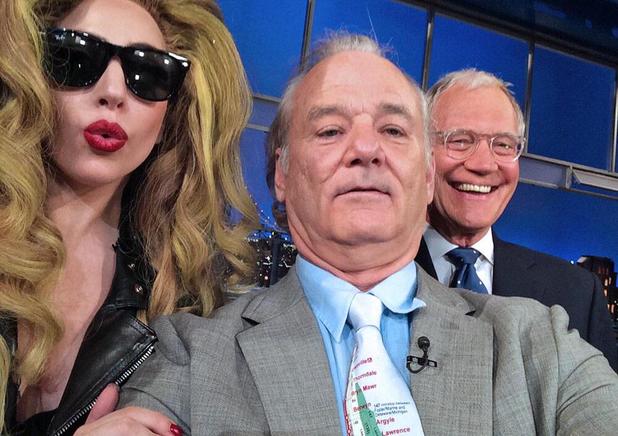 |
| Bill Murray, Lady Gaga and David Letterman. (April 2014.) https://www.youtube.com/watch?v=nZ8p7g9cCc8 |
The could start the project by asking some interviewees what they think about selfies. Once we have used some good "sound bites" from the general public we can link it back to a definition of the craze. Then we can talk about the controversy and follow a student who is absorbed into the world of selfies.
She can talk about her obsession and we can ask her "do you the selfie is misunderstood by a lot of people?" and "why do you feel like you have to take them constantly?". We can also find another person after this to contrast, then we can link it back to our News host(s) and find a way to relate it to the next topic.
What obstacles might we have to face for this project?
 |
| We could get interviews from students at the University for the Creative Arts in Rochester, where I study. |
The biggest task to ask for here is to try and find a person who is obsessed with selfies and is okay with being filmed for the project. The other reason is we don't want it too appear as we're mocking them because of the reputation it has gathered as self-centred. This is why we must be neutral and considerate towards our subject and not show this bias.
Conclusion
I will say that if we are able to gain permission and find some good subjects to interview this could end up as very effective towards our audience. On a broader scope it is very socially relevant to students and the world of creative media. It could also be very informal if done properly and perhaps give many people a new perspective on the subject. Stay tuned for more.
 |
| The legendary boxer, Muhammed Ali took part in his 1st selfie on 16/10/14 |
 |
| Barack Obama and David Cameron were heavily criticised for taking a selfie during Nelson Mandela's funeral service. |
Tuesday, 14 October 2014
Fiction Adaptation: Characters and Setting
Since I have come up with a story concept for my idea, I will now mention any possible thoughts I have in regards to the characters and setting. As well as talk a bit more about the style I want to put across.
Who is my Main Character?
Their will only be one main character in my story. There might be another one but i'm unsure whether I want another actor at this point. There will also be a narrator
Main Actor: The Grandson
Age: He is in his early-mid 20's. Presumably he is living at home as he is searching through his families basement.
I've decided to make the character this age to show how he is still learning about his grandfather and is curious to find out more about his life as a soldier. This is the reason why he starts looking through some of his old possessions.
Style: He will be wearing casual clothing, however he will be dressed in a somewhat retro way that shows what time period it is. This will most likely be the late 90's, to get the time period of his grandfather being in WWII correct.
Personality: His personality will need to be emotive, but not over the top. He will be reacting to the narration as he is reading it so he will need to show a wide variety of emotions. He is a respectful guy, who has been hidden from the horrors of war by his parents. They intentionally didn't want him to know about his grandfathers inner turmoil in such depth. As such he might react in shock at certain points in the film, but he is nethertheless understanding of the situation.
Who is my Narrator?
For the narrator, I want the voice of a man that is powerful and rich and can uncover the inner turmoil and intensity that Wilfred Owen intended when he wrote the original poem. Especially since the narration is being read as the commentary of the main characters grandfather. His accent will need to be upper class to fit in with his original time period of the 1940's. I would like a deep, and tense reading for my film. A good example that I am looking for is Sean Beans narration of the poem, which I have previously written about here.
What is the Main Setting I have chosen?
The main setting takes place in a family attic. This is where the grandson will uncover the box containing his grandfathers war possessions. It will contain a book made to look old and dusty as well as some genuinely vintage items from the 1940s such as records, books and even music sheets. These are all possessions I have access too. I will also get access to some vintage photos from the era that relate to the era.
The attic will feature dark lighting, this is to represent that it is rarely frequented by the family members and that a lot of the stuff there has been untouched for years.
I will update my blog on any further thoughts concerning the fictional adaption and my ideas.
Stay tuned.
Who is my Main Character?
Their will only be one main character in my story. There might be another one but i'm unsure whether I want another actor at this point. There will also be a narrator
Main Actor: The Grandson
 |
| A young man in his early 20's will portray the grandson. |
I've decided to make the character this age to show how he is still learning about his grandfather and is curious to find out more about his life as a soldier. This is the reason why he starts looking through some of his old possessions.
Style: He will be wearing casual clothing, however he will be dressed in a somewhat retro way that shows what time period it is. This will most likely be the late 90's, to get the time period of his grandfather being in WWII correct.
Personality: His personality will need to be emotive, but not over the top. He will be reacting to the narration as he is reading it so he will need to show a wide variety of emotions. He is a respectful guy, who has been hidden from the horrors of war by his parents. They intentionally didn't want him to know about his grandfathers inner turmoil in such depth. As such he might react in shock at certain points in the film, but he is nethertheless understanding of the situation.
Who is my Narrator?
For the narrator, I want the voice of a man that is powerful and rich and can uncover the inner turmoil and intensity that Wilfred Owen intended when he wrote the original poem. Especially since the narration is being read as the commentary of the main characters grandfather. His accent will need to be upper class to fit in with his original time period of the 1940's. I would like a deep, and tense reading for my film. A good example that I am looking for is Sean Beans narration of the poem, which I have previously written about here.
 |
| Boxes in an attic. |
The main setting takes place in a family attic. This is where the grandson will uncover the box containing his grandfathers war possessions. It will contain a book made to look old and dusty as well as some genuinely vintage items from the 1940s such as records, books and even music sheets. These are all possessions I have access too. I will also get access to some vintage photos from the era that relate to the era.
The attic will feature dark lighting, this is to represent that it is rarely frequented by the family members and that a lot of the stuff there has been untouched for years.
I will update my blog on any further thoughts concerning the fictional adaption and my ideas.
Stay tuned.
Sunday, 12 October 2014
Digital News Production: Story Ideas- Progession Update
To expand on our previous ideas, we decided to have a group meeting to discuss our progress. This way we can expand on our News project to date.
What categories are we going to focus on?
As i've mentioned before there are four categories that we have come up with. Entertainment, Arts & Culture, Celebrities and Gadgets. We can only use two separate stories from different categories, however. This means we have to
narrow down the choices by half.
I will now mention the different categories and which ones we have decided to focus on:
Entertainment
This categories is perhaps the most interesting sounding to our key demographic of 16-24 year olds. However it is also possibly harder for us to come with a story that has a point behind it that can be seen as substantial. We started looking for events that might be funded by local businesses, anything that we think would attract our student audience. Eventually Sam Babington thought about basing a segment around a nightclub. Some of these around Maidstone are based predominantly on a demographic in the late teens and 20's. We will look into these events to see if we can find an appropriate place. Stay tuned..
The range of different ideas we can work on here is quite varied. Since the course we are doing is in the creative arts it might be good to focus on a story based on the campus. This will be relatable to students who are interested in these types of courses. Aaron Perks came up with an idea focusing on someone he knows who graduated from the fashion course. Their work had been used before and shown in a music video by Chris Brown. This would be quite an interesting story to talk about but the execution is very important. It depends on the angle we focus on. "How did it happen?", "What are you working on now"? etc.
For now this idea is on the back burner, since we need to make sure we can structure it and see how to make it appealing towards our audiences.
Celebrities
We purposely decided to avoid this category, feeling that we would struggle to find a substantial story to base around it. It could also possibly come across as 'tacky' depending on how it is done. This could give the wrong impression about what our news website is about. It would also be extremely difficult to find actual celebrities or sources that aren't just a general view at it.
Gadgets
Last but not least, is the category I have focused on. I'm biased but I certainly feel that this topic has the broadest scope and room for development. I feel that something that people can relate to is important for this topic. This doesn't have to be necessarily just for students but also for people interested in the world of technology and trending internet topics.
One idea that I thought of was to do with a specific type of digital clock, since many students have trouble with getting enough sleep as well as waking up in the morning. However on its own this idea might not be considered very definitive. The biggest task is to make it entertaining as well as informative. So when I thought of the popularity of selfies in popular culture it made an idea based around it seem very interesting.
We could focus not only on its immense popularity but also on the cultural divide between those who despise it against those who are obsessed with it. Also important is to note that to many it is seen as a fixture of a world obsessed with phones, gadgets and the internet. Too many it is an example of how self-absorbed people are getting.
I feel confident about this idea as it has the opportunity to be entertaining, informative and most of all, relatable.
Conclusion
To end with I think we are progressing well with some of the ideas we have come up with. It's just a task of narrowing it down to two categories and making a decent story out of it. Most importantly it needs to have a point behind it. Thankfully we are pretty sure of the student-ish, arty style we are going for. It's just putting in the research now and making sure we can develop the full potential of these ideas.
Stay tuned for further updates!
What categories are we going to focus on?
As i've mentioned before there are four categories that we have come up with. Entertainment, Arts & Culture, Celebrities and Gadgets. We can only use two separate stories from different categories, however. This means we have to
narrow down the choices by half.
I will now mention the different categories and which ones we have decided to focus on:
 |
| We could get some insight into these different categories from creative students on the Maidstone campus. |
Entertainment
This categories is perhaps the most interesting sounding to our key demographic of 16-24 year olds. However it is also possibly harder for us to come with a story that has a point behind it that can be seen as substantial. We started looking for events that might be funded by local businesses, anything that we think would attract our student audience. Eventually Sam Babington thought about basing a segment around a nightclub. Some of these around Maidstone are based predominantly on a demographic in the late teens and 20's. We will look into these events to see if we can find an appropriate place. Stay tuned..
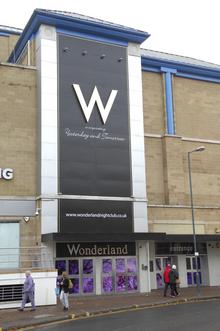 |
| A popular nightclub in Maidstone. |
Arts & Culture
For now this idea is on the back burner, since we need to make sure we can structure it and see how to make it appealing towards our audiences.
Celebrities
We purposely decided to avoid this category, feeling that we would struggle to find a substantial story to base around it. It could also possibly come across as 'tacky' depending on how it is done. This could give the wrong impression about what our news website is about. It would also be extremely difficult to find actual celebrities or sources that aren't just a general view at it.
Gadgets
Last but not least, is the category I have focused on. I'm biased but I certainly feel that this topic has the broadest scope and room for development. I feel that something that people can relate to is important for this topic. This doesn't have to be necessarily just for students but also for people interested in the world of technology and trending internet topics.
 |
| The "selfie" has become a cultural phenomenon over the last four years. |
One idea that I thought of was to do with a specific type of digital clock, since many students have trouble with getting enough sleep as well as waking up in the morning. However on its own this idea might not be considered very definitive. The biggest task is to make it entertaining as well as informative. So when I thought of the popularity of selfies in popular culture it made an idea based around it seem very interesting.
We could focus not only on its immense popularity but also on the cultural divide between those who despise it against those who are obsessed with it. Also important is to note that to many it is seen as a fixture of a world obsessed with phones, gadgets and the internet. Too many it is an example of how self-absorbed people are getting.
I feel confident about this idea as it has the opportunity to be entertaining, informative and most of all, relatable.
Conclusion
To end with I think we are progressing well with some of the ideas we have come up with. It's just a task of narrowing it down to two categories and making a decent story out of it. Most importantly it needs to have a point behind it. Thankfully we are pretty sure of the student-ish, arty style we are going for. It's just putting in the research now and making sure we can develop the full potential of these ideas.
Stay tuned for further updates!
Friday, 10 October 2014
Digital News Production: "This Art of Mine" Workshop Project + Script
Today, our group (Aaron Perks, Sam Babington, Kate Sergeant and myself) were assigned to make a group side-project for the following week. We have been asked to make a 90 second video focusing on answering the question, "What is good around Maidstone"? This means we will focus on promoting something around town such as local businesses and areas that attract tourists.
For this we also needed to include a script which we worked on this afternoon, in which we detail the events as we want them edited chronologically. (The script that we worked on for this is featured at the bottom of this post.)
This Art of Mine

The idea that we decided we would work on is called, "This Art of Mine". It is a family run business that offers many craft courses as well as pottery painting and designing classes. It is owned and ran by mother and daughter, Kate and Gemma Blacker.
It also has a friendly atmosphere and is aimed towards a demographic all ages although it is aiming especially towards kids and families. The location is in Thurnham, Maidstone and it is based in an old converted farm.
What is the general idea for this project?
The style we hope to convey for this project is one of friendliness and humour. It is important to show the place that we are promoting in the best possible light and the location and story behind it is certainly quite interesting.
"This Art of Mine" was picked as an article subject in The Guardian online three years ago. (http://www.theguardian.com/travel/2011/dec/02/emma-kennedy-silver-jewellery-workshop)
We want the story to tell itself in the short amount of time we have allocated towards the project. This means their will be limited interaction with a presenter. If we focus it entirely on the place, the main owner (Kate) and some of the people that have experienced a day working there than we can convey a narrative structure. The presenter will open and close the film piece and we will then use video of the location as well as shots of the kids making designs. We will intercut this with Gemma answering questions about This Art of Mine. We will wrap it up by asking the children if they had a good time on the day, it will then link back to the presenter.
Opening Times
All weekend 10am-5pm
All weekend 10am-5pm
Every day during school holidays 10am-5pm
Thursday mornings 10am-1pm
Tuesday evenings 7pm-9pm
How did we contact the owners?
We rang up the owners to ask for permission to film in their workshop. Kate (and Gemma) gave us the go ahead and said it would be fine for us to film. We've decided to film next Tuesday afternoon. This session is booked for children arriving with their family members so it is crucial to get permission from their parents for us to film them. The owner, Kate said it might not be too busy in the afternoon though so we might not need to get permission from a lot of parents.
What questions will we ask?
- How did "This Art Of Mine" get set up as a family business?
- What was the main reason this place was set up?
- How did you make this? (showing an item being crafted in the studio)
I will update this blog on our groups progress after Tuesday.
For more info on This Art Of Mine, visit their website at http://www.thisartofmine.co.uk/
"This Art of Mine" - Script (First Draft)
Digital News Production: PTC Script Workshop
Yesterday we were given a workshop to work on in our groups. Aaron, Sam and myself were told to build a short news report by coming up with our own interpretation of an event. Beforehand we were shown a 30 minute News Report which gave us some very interesting insight into the creation of news pieces.
The event we were given to report about was a controversial story concerning a British man who was arrested in Morocco for his homosexuality, this is illegal over there so we had to talk about the incident and write about it. I was able to read about this on The Guardian's online website of which I read on a daily basis.
Below are some questions I originally wrote for our news report in response to an interviewee. During the filming of the interview, I asked these questions in the pose of a news anchor whilst Sam Babington portrayed a gay rights spokesman.
1) Don't you feel the Moroccan authorities going through his social networking is a massive invasion of his privacy?
2) Do you feel their official laws are acceptable in the year, 2014?
3) Do you feel this will result in a boycott of the country from tourists?
The most important thing about this workshop was that it gave us a chance to take up different roles in the production of making a PTC. Because there were only three of us we took turns at being a cinematographer, sound operator as well as being in front of the camera.
Overall I feel like I learnt a lot from the experience and learning about how this kind of news reporting works. It also taught me about the immense pressure than can be on the writers as well as the news anchor. I felt like it was able to prepare me for doing interviews because its very important to always be prepared and have a back-up question if necessary to encourage a different answer.
Below are some questions I originally wrote for our news report in response to an interviewee. During the filming of the interview, I asked these questions in the pose of a news anchor whilst Sam Babington portrayed a gay rights spokesman.
1) Don't you feel the Moroccan authorities going through his social networking is a massive invasion of his privacy?
2) Do you feel their official laws are acceptable in the year, 2014?
3) Do you feel this will result in a boycott of the country from tourists?
The most important thing about this workshop was that it gave us a chance to take up different roles in the production of making a PTC. Because there were only three of us we took turns at being a cinematographer, sound operator as well as being in front of the camera.
Overall I feel like I learnt a lot from the experience and learning about how this kind of news reporting works. It also taught me about the immense pressure than can be on the writers as well as the news anchor. I felt like it was able to prepare me for doing interviews because its very important to always be prepared and have a back-up question if necessary to encourage a different answer.
Tuesday, 7 October 2014
Digital News Production: PTC Examples and "Inside Out" Research
Today we looked at some examples of PTC. (peace to camera)
We were also given a list of recommended shot sizes to use.
A TV journalist named Rachel came into the Maidstone Studios to talk about her experience working on the educational News program, "Inside Out". She gave advice on how she works with her interviewee's and how to accommodate them. She also talked about about a specific show she was involved in on the subject of "Social Services" that got picked up by other channels for wider broadcast.
Here are the notes I wrote down this morning:

I also wrote down some of the useful advice that was given towards the end of the lecture with Rachel.
We were also given a list of recommended shot sizes to use.
A TV journalist named Rachel came into the Maidstone Studios to talk about her experience working on the educational News program, "Inside Out". She gave advice on how she works with her interviewee's and how to accommodate them. She also talked about about a specific show she was involved in on the subject of "Social Services" that got picked up by other channels for wider broadcast.
Here are the notes I wrote down this morning:
I also wrote down some of the useful advice that was given towards the end of the lecture with Rachel.
- Be interested in whats going on around you and on TV, Radio, Publications etc.
- Be friendly but also careful with what you say around the interviewee.
- Be careful of how you are dressed depending on location and choice of subject matter.
- Be aware that you are representing your channel regarding how you present yourself.
- Be sure you know what is the next thing to air after your news segment.
Digital News Production: Afternoon Workshop - 07/10/14
Today we went down to the studio on the bottom floor and we rehearsed filming in groups of people for a News format. I was selected for this activity as you can see in the picture below. (Wearing a grey jacket stood next to Chris in a yellow hoodie.)
For this task I was the Director and it was my job to make sure things were running smoothly. These are the roles that were assigned to us for this task.

Director: Sam McKeown
Cinematographer: Chris Sarmiento
Sound Operator: Sei-Kai Leung
News Presenters: Danny Hewitt and Andrei Allen
Weather Presenter: Roxanne Meats
It was quite daunting at first but overall it was a fun experience.
For this task I was the Director and it was my job to make sure things were running smoothly. These are the roles that were assigned to us for this task.
Director: Sam McKeown
Cinematographer: Chris Sarmiento
Sound Operator: Sei-Kai Leung
News Presenters: Danny Hewitt and Andrei Allen
Weather Presenter: Roxanne Meats
It was quite daunting at first but overall it was a fun experience.
Monday, 6 October 2014
Fiction Adaptation: Theory Essay Ideas
Besides our film adaptation, we also have to do a 2,000-2,500 word essay based on one of the following essay questions.
1) Discuss the view that "with a successful adaptation, the original work is transformed into something new and different, although retaining many traces of what it was formerly" with reference to at least one text adapted for broadcast on television.
2) To what extent is it true that "Adaptations of classic texts enable contemporary audiences to re-visit the past; as such they can be situated within the broader context of postmodern appropriations of history" ? Examine with reference to at least one text adapted for broadcast on television.
3) In adapting a novel the adaptor inevitably infringes the integrity of the original text – discuss with reference to at least one text adapted for broadcast on television.
We analysed the essay questions in depth and looked at examples such as the Sherlock example I mentioned in my last post on the Fictional Adaption Unit. For this assignment I have decided to pick Question 1.
I chose this because it seemed like it allows the widest choice for open interpretation. So I can answer it in many different ways. I can talk about a definition of an adaption, what makes it successful or not and how its interpreted depending on the audiences. I want to use more than one example and it would be most useful to apply this theory to a TV adaption as well as a film.
This is such an interesting idea to me because there are seemingly endless opinions and topics I can discuss in this matter.
Some key points I want to focus on for my essay:
- The audience from the original book vs a newer adaption.
- The time period in which the adaption was produced as opposed to when its set.
- The use of pastiche/parody used un-ironically.
 |
| Jack Nicholson in Kubrick's adaption of The Shining (1980) |
A book to film that I have considering discussing is "The Shining". The original 1977 Stephen King novel was adapted into one of the most acclaimed adaptions of all time in 1980.
Critics and fans alike loved Stanley Kubrick's interpretation of the book, however some like the original author, Stephen King, found it disrespectful and unfaithful to the original. Some have immediately jumped to the film's defense, claiming that King is irked that Kubrick's film adaption has since overtaken his original version in popularity.
Critics and fans alike loved Stanley Kubrick's interpretation of the book, however some like the original author, Stephen King, found it disrespectful and unfaithful to the original. Some have immediately jumped to the film's defense, claiming that King is irked that Kubrick's film adaption has since overtaken his original version in popularity.
Strangely enough, considering i've seen the film adaption, it also slipped my mind that it was based on a book by Stephen King. This is an example of how post-modern adaptions can sometimes overshadow the original work. So what makes a successful adaption? Is it important that it is faithful to the original? How much creative license should the film/TV interpreters use?
 |
| One of the most iconic films scenes of all time. "Here's Johnny!" |
 |
| Stephen King's original cover for The Shining (1977) |
Subscribe to:
Comments (Atom)